
Understanding the Doherty Threshold and Its Benefits in UX Design

The Doherty Threshold, introduced in 1982 by Walter J. Doherty and Ahrvind J. Thadani, states that system response times should be under 400 milliseconds to keep users engaged and productive. When a system responds within this time frame, users feel a seamless interaction, maintaining focus and efficiency.
Zoom Release Notes by Products

Design Exploration Click here to view the actual webpage
Designing for humans requires an understanding of psychology
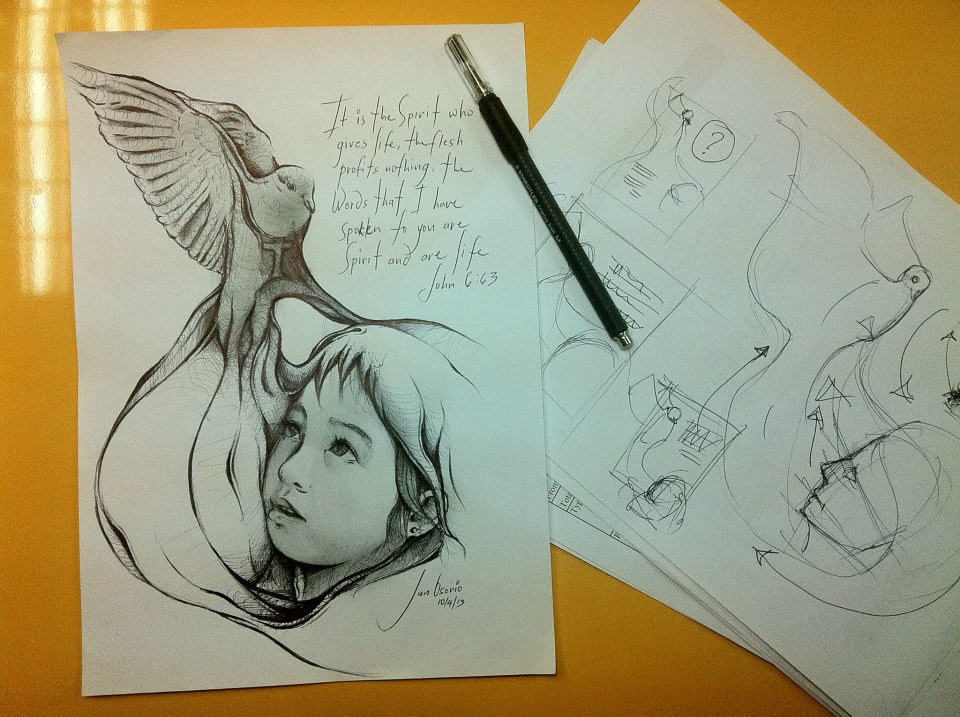
Many incredible products fail because features and functionality alone aren’t enough. Designing for humans requires an understanding of psychology. Psychology is key to creating successful products. Mastering psychology principles helps designers understand user behavior, enabling more intuitive and effective product designs.
Designing a One-Page Funnel for Marketing
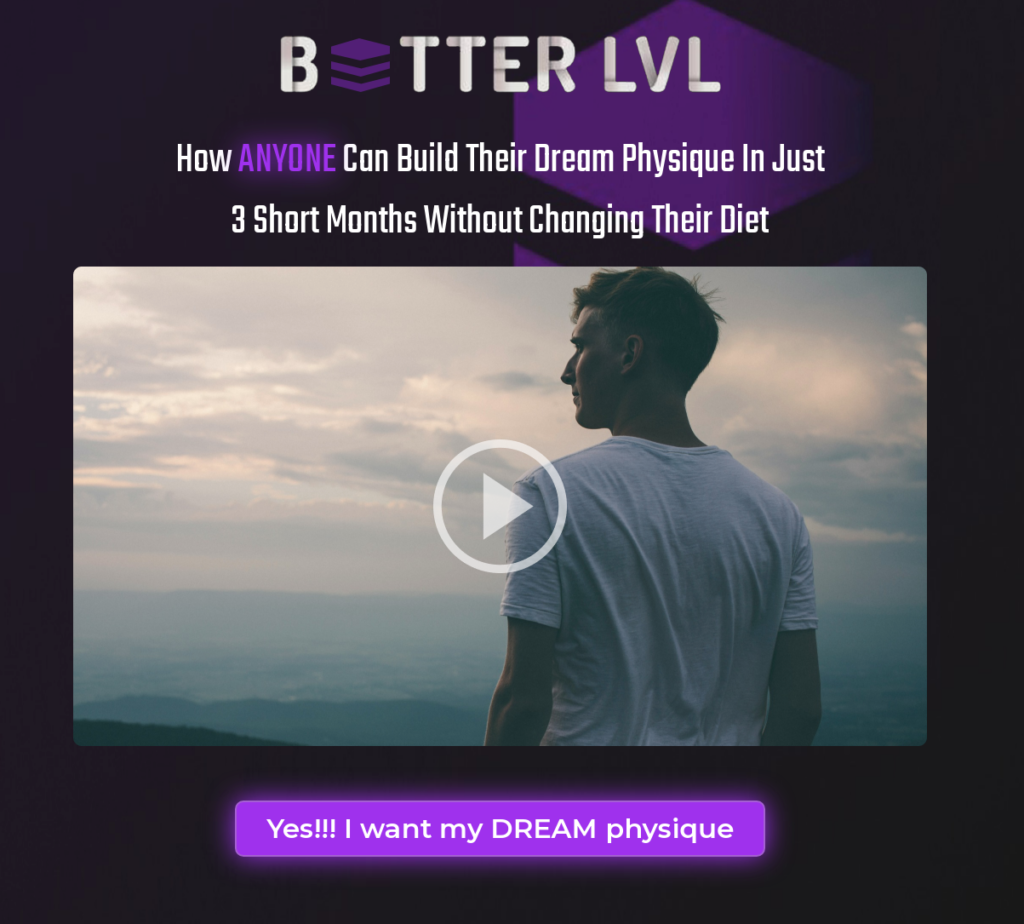
As a UX designer, one of the most impactful projects I’ve undertaken is designing a one-page funnel for marketing purposes. This single page serves as a powerful tool to convert visitors into customers by guiding them through a seamless journey from awareness to action. Here, I’ll share my process, the principles I adhered to, and the lessons I learned along the way.
3 ChatGPT prompts for UX designers

In the field of design research, gathering real data has traditionally been a time-consuming task, often requiring manual effort even with the help of search engines like Google. However, ChatGPT has transformed this process by providing a quick and efficient solution. With just a few simple commands, ChatGPT can search through multiple sources and quickly generate comprehensive results in a matter of seconds.
Core Skills of a Designer
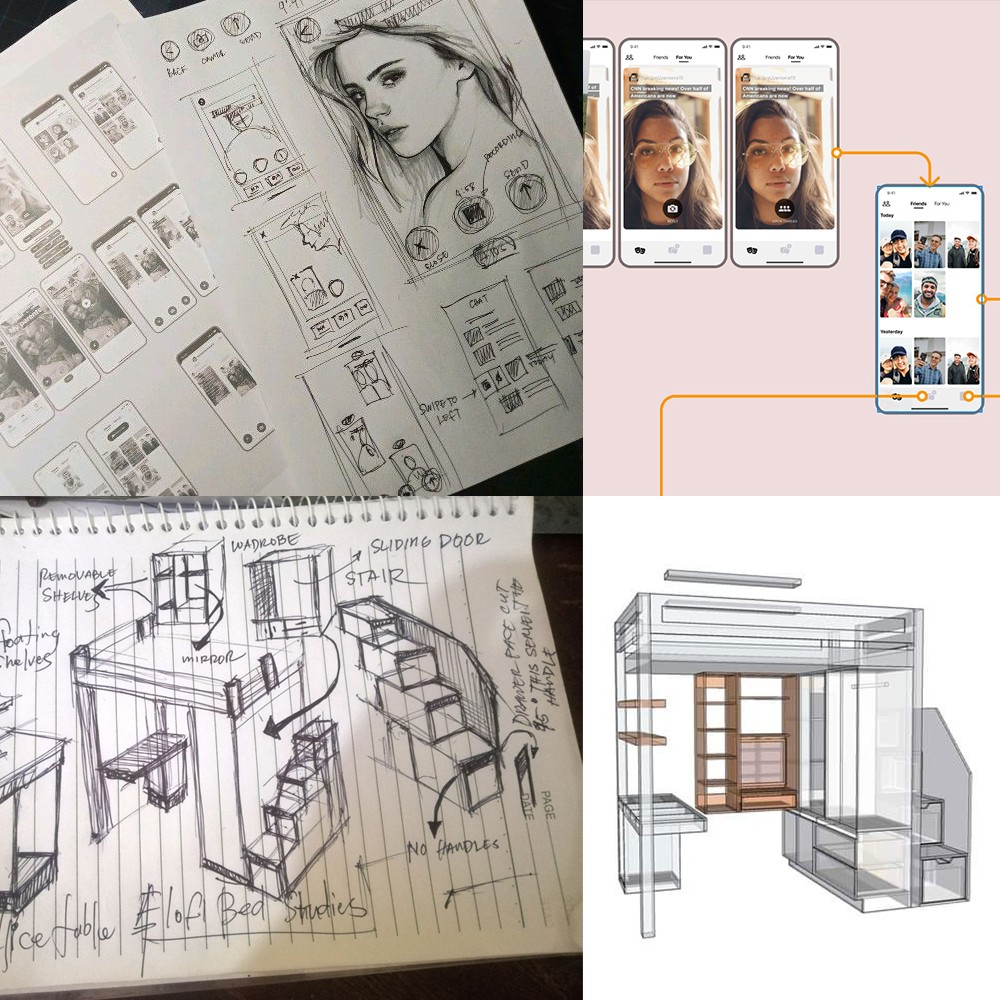
By mastering these skills, UX designers can create digital experiences that are intuitive, engaging, and impactful. So, if you’re planning to become a UX designer, make sure to prioritize these skills in your practice.
Unlocking Creativity: The Power of Virtual Collaboration

In a world where physical barriers no longer hinder collaboration, virtual platforms like Zoom conferencing are essential tools for unleashing the full potential of artists and creatives. By embracing virtual collaboration, artists transcend limitations, push boundaries, and shape the future of creativity in a borderless world.
Leveraging SEO for Enhanced UX and Success
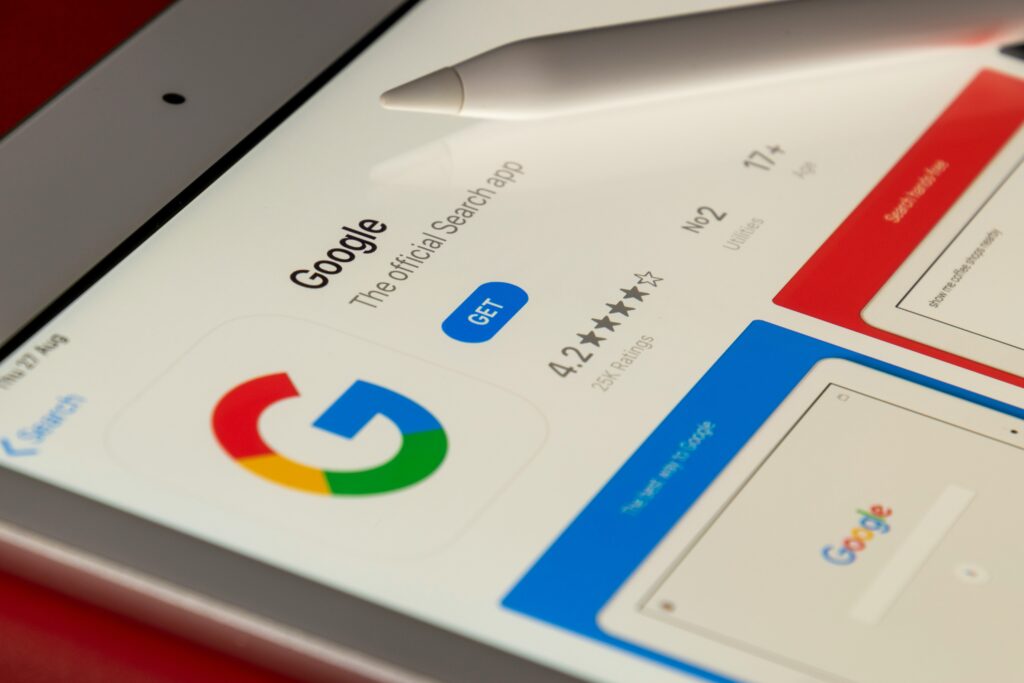
Understanding SEO as a UX designer offers numerous benefits. It improves user experience, boosts engagement and conversions, and enhances competitiveness. With evolving search engines and user expectations, the fusion of SEO and UX design is vital for online success. Embracing this synergy, UX designers shape the future of digital design and drive business success.
Designing a Billing Plan

Designing a clear and user-friendly billing plan is essential for ensuring steady revenue while meeting customer needs. In this project, I improved the structure and usability of the billing options to reduce friction during checkout. As a result, checkout completion increased by 15%, and new paid subscribers grew by 13%, showing a strong impact on both user experience and business growth.
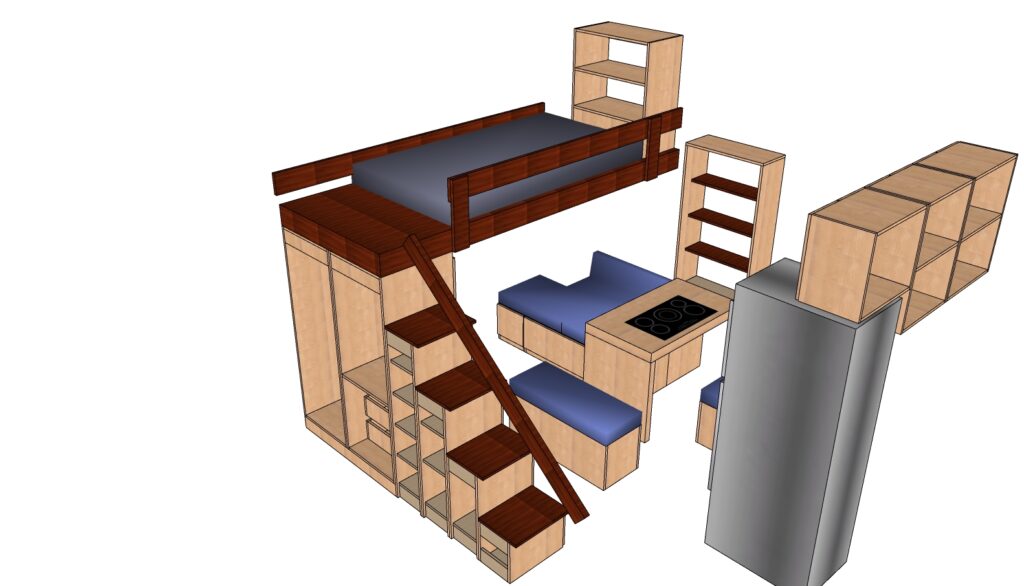
Multi-functional Loft Bed for Small Condo
http://junosorio.com/wp-content/uploads/2023/10/Loafbed_video.mp4