
Stop Focusing on Design Tools, Start Solving Problems

When I started in UX, I thought mastering design tools was the key to success. I spent hours perfecting layouts in Figma, Sketch, and Adobe XD. My designs looked great, but something was missing.
Over time, I realized good UX isn’t about making pretty screens. It’s about solving real problems for users. The best designers don’t just create nice-looking interfaces, they think critically, ask the right questions, and make decisions based on user needs.
How UX Design Directly Impacts Business Success

Marketing can bring people in, but if using the product is hard, they will leave. UX is not just about making things look nice. It is about making things easy to use. When done right, it helps a business grow.
Opportunities Are Like Waves, Be Ready to Ride Them
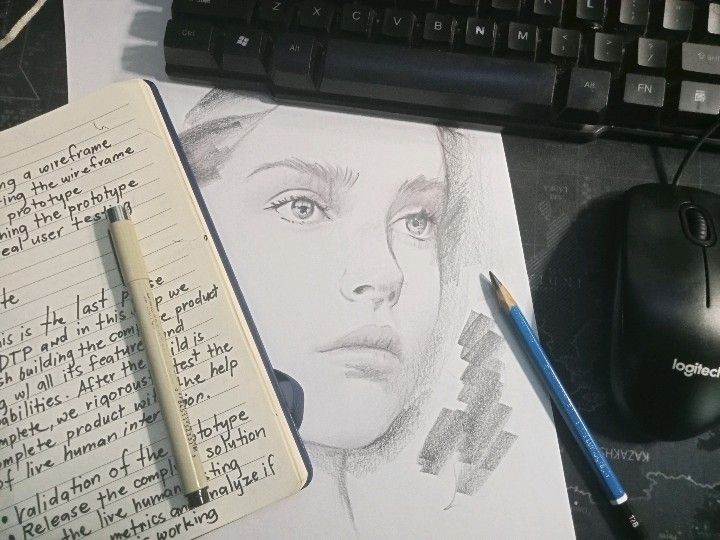
One thing I’ve learned in my UX career? Opportunities come and go like waves. Some are small, some are game-changers. But if you’re not ready when they roll in, you’ll just watch them pass by. And trust me, I’ve been there.
Being a designer isn’t just about knowing Figma inside out or having a killer portfolio. It’s about staying sharp, adapting to change, and being ready to grab the next big thing when it comes. Here’s how I make sure I’m always ready to ride the wave.
Stop Talking UX Jargon Just Show Results That Win UX Design Jobs
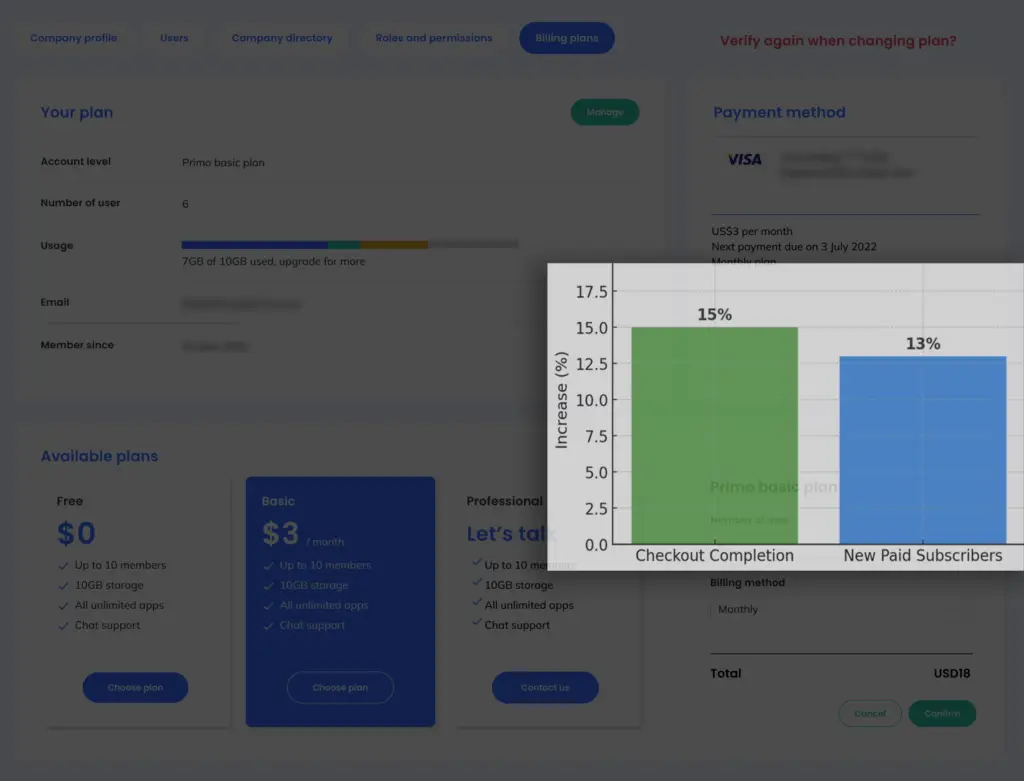
Early in my Design career, I thought my portfolio was solid. I had detailed wireframes, user journeys, and a whole lot of UX jargon. I could talk all day about empathy maps and personas. But despite all that, my applications weren’t getting much traction.
Then, I had a lightbulb moment. Hiring managers don’t care about how much UX theory I know, they care about results. Once I started focusing on metrics and real impact instead of fancy design terms, things changed. More interviews. More job offers.
The Silent Impact of UX, Why We Rarely Get the Credit

Over the years, one thing has become clear, UX teams often don’t get the recognition they deserve. We put in the effort to create seamless, user-friendly experiences, but when things go right, no one notices. When things go wrong, though? Suddenly, UX becomes the center of attention. At first, this lack of recognition frustrated me. But over time, I’ve come to understand why it happens, and more importantly, how to stay positive in a field where success is often invisible.