
Zoom Community Redesign

Design Exploration
AI Isn’t Replacing UX Designers, It’s Making Us Faster and Better

As a UX designer, I’ve always loved solving problems, understanding users, and turning ideas into clean, helpful experiences. But let’s face it, some parts of design work can be repetitive or time-consuming, especially at the beginning of a project.
As a Designer, I Trained Myself to Start with Questions Before Solving a User Problem

As a UX designer, one of the most powerful habits I’ve developed is learning to pause , and ask questions, before jumping into solutions.
Recently, I worked on a project aimed at enhancing the User Search Experience of our support site. At first, the problem seemed simple: users were typing in queries, but many were leaving without finding the answers they needed. My initial instinct was to tweak the design or add tons of new features , but I stopped myself.
UX research first

As a UX designer, one of the biggest lessons I’ve learned is this: never start with visuals. It’s really tempting to jump into Figma and design something that looks great. But I’ve made that mistake before, and I’ve learned that research should always come first.
I used to think making something look clean and modern was enough. But design is about solving problems, and you can’t do that well unless you understand the user.
Letting Users Help Themselves is The Key to a Great Customer Support Experience
It’s been almost a year now working with the support team, studying how our users behave, and I’ve learned so much. I’m definitely happy to be part of a team that focuses on solving real user problems.
One thing that stands out is how much users appreciate being able to solve issues on their own, without waiting for help. That’s why I believe giving users the tools to help themselves is the key to a great support experience.
Solving a Existing Design Issue

I was recently assigned to fix a long-standing issue. Our account managers are overwhelmed with support tickets and calls, many of which could escalate if not addressed. We need a way to reduce these requests and improve the user experience. In our meetings, the main solution was clear: encourage users to self-serve instead of going straight to the support contact page. We have plenty of support articles and resources, but users don’t seem to be using them effectively.
Stop Focusing on Design Tools, Start Solving Problems

When I started in UX, I thought mastering design tools was the key to success. I spent hours perfecting layouts in Figma, Sketch, and Adobe XD. My designs looked great, but something was missing.
Over time, I realized good UX isn’t about making pretty screens. It’s about solving real problems for users. The best designers don’t just create nice-looking interfaces, they think critically, ask the right questions, and make decisions based on user needs.
NFT Marketplace
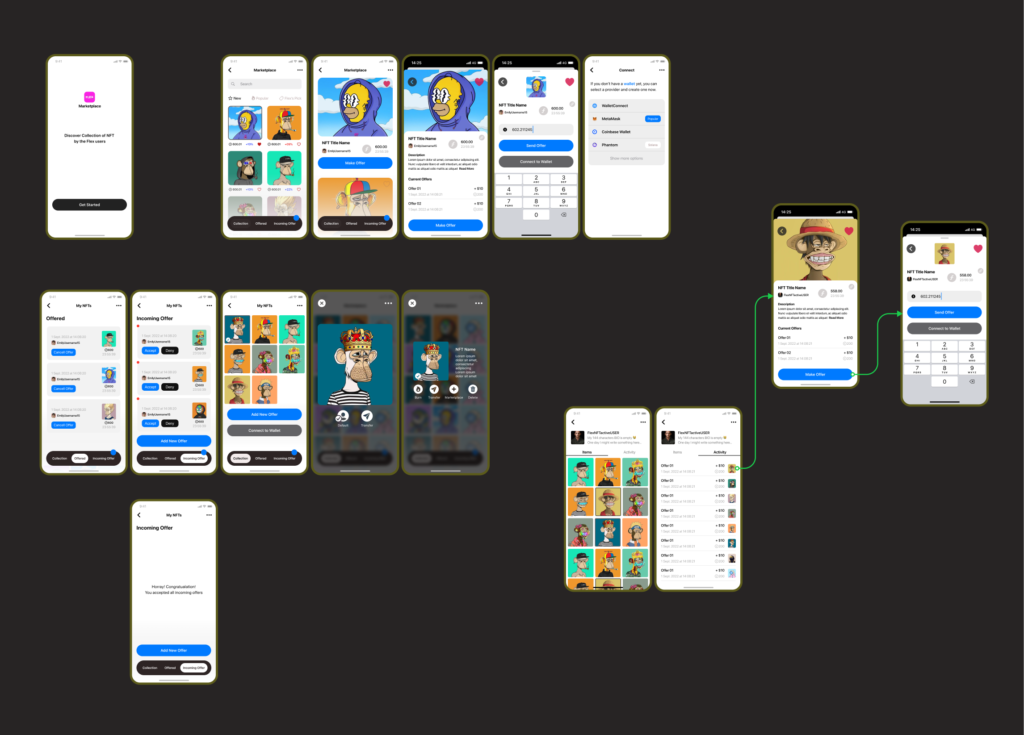
I worked on an NFT app because I enjoy art and wanted to use my UX design skills to make something people would love. Many NFT platforms can be confusing, so my goal was to create a simple and easy-to-use app. It took me one week to finish this project.
How UX Design Directly Impacts Business Success

Marketing can bring people in, but if using the product is hard, they will leave. UX is not just about making things look nice. It is about making things easy to use. When done right, it helps a business grow.
Opportunities Are Like Waves, Be Ready to Ride Them
One thing I’ve learned in my UX career? Opportunities come and go like waves. Some are small, some are game-changers. But if you’re not ready when they roll in, you’ll just watch them pass by. And trust me, I’ve been there.
Being a designer isn’t just about knowing Figma inside out or having a killer portfolio. It’s about staying sharp, adapting to change, and being ready to grab the next big thing when it comes. Here’s how I make sure I’m always ready to ride the wave.