
How Emotional Processing Shapes UXD: Visceral, Behavioral, and Reflective
In user experience (UX) design, emotions play a crucial role in shaping how users interact with digital products. Understanding the three levels of emotional processing, as proposed by Don Norman in Emotional Design—helps designers create more engaging, intuitive, and satisfying experiences.
The Psychology of Unfinished Tasks, How UX Designers Can Leverage the Zeigarnik Effect

Have you ever started something but couldn’t stop thinking about it until it was finished? That’s the Zeigarnik Effect at work—a psychological principle stating that people remember and feel compelled to complete unfinished tasks more than completed ones. In UX design, leveraging the Zeigarnik Effect can improve user engagement, retention, and conversion rates by creating experiences that encourage users to come back and complete actions.
A UX Designer Is Like a Hummingbird

Ever watched a hummingbird in action? It’s fast, precise, and insanely adaptable. It doesn’t waste energy, it knows exactly where to go and how to get there efficiently.
And honestly? That’s exactly how a great UX designer works.
A hummingbird doesn’t just fly randomly, it moves with intention, constantly adjusting based on its environment. As UX designers, we do the same. We focus on precision, speed, adaptability, and always keeping the user at the center of everything we create.
Every UX designer must deeply understand human psychology
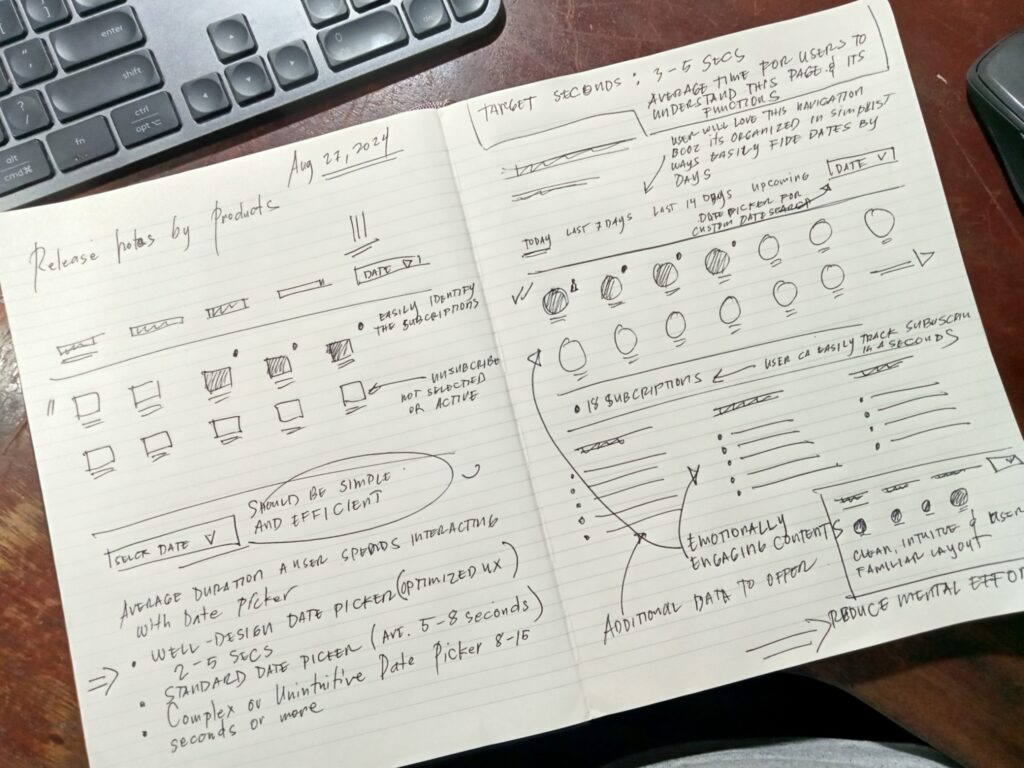
To create products that truly connect with users. If you can reduce cognitive load and make their experience seamless, users will understand the page’s purpose in just a few seconds.