
Stop Talking UX Jargon Just Show Results That Win UX Design Jobs
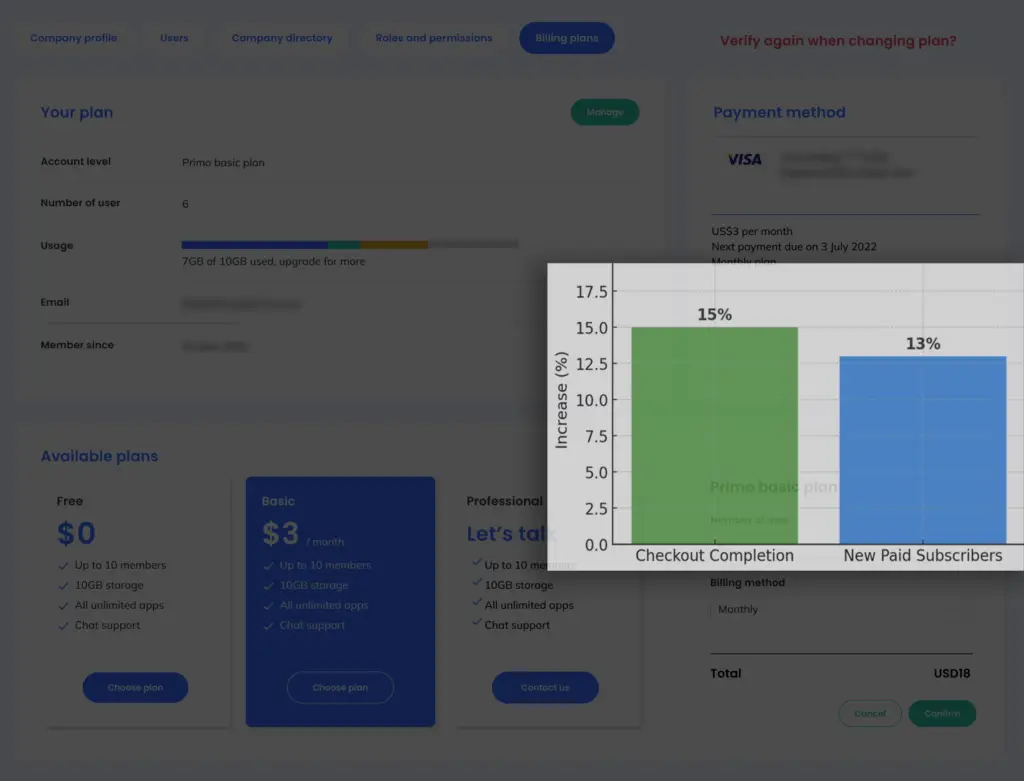
Early in my Design career, I thought my portfolio was solid. I had detailed wireframes, user journeys, and a whole lot of UX jargon. I could talk all day about empathy maps and personas. But despite all that, my applications weren’t getting much traction.
Then, I had a lightbulb moment. Hiring managers don’t care about how much UX theory I know, they care about results. Once I started focusing on metrics and real impact instead of fancy design terms, things changed. More interviews. More job offers.
Spotting User Struggles, A Designer’s Guide to Data-Driven Insights

One of the biggest challenges in UX design isn’t just crafting beautiful interfaces, it’s uncovering hidden user pain points. Over the years, I’ve learned that data holds the key to understanding where users struggle, even when they don’t explicitly tell us.
The Challenges and Rewards of Designing an OTP Process
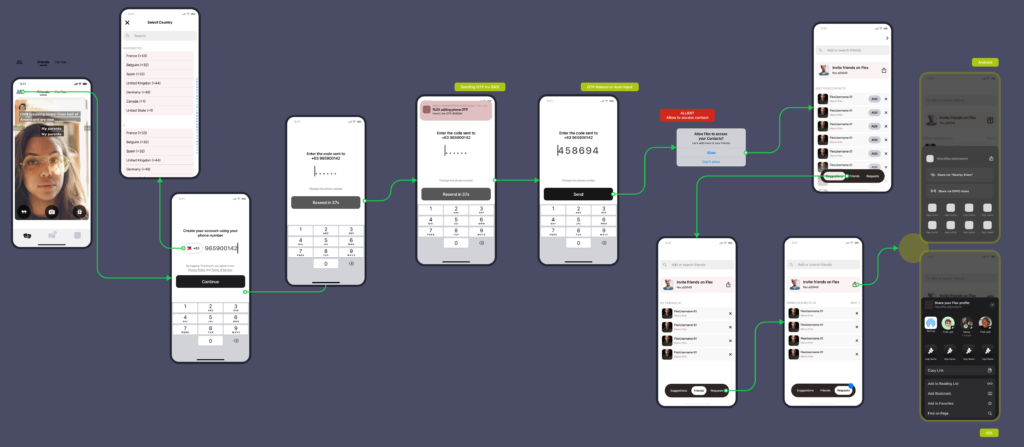
Designing an effective One-Time Password (OTP) process is both complex and rewarding. While it enhances security by adding a layer of authentication, implementing it requires meticulous planning, extensive research, and a user-first approach.
How Emotional Processing Shapes UXD: Visceral, Behavioral, and Reflective

In user experience (UX) design, emotions play a crucial role in shaping how users interact with digital products. Understanding the three levels of emotional processing, as proposed by Don Norman in Emotional Design—helps designers create more engaging, intuitive, and satisfying experiences.
The Silent Impact of UX, Why We Rarely Get the Credit

Over the years, one thing has become clear, UX teams often don’t get the recognition they deserve. We put in the effort to create seamless, user-friendly experiences, but when things go right, no one notices. When things go wrong, though? Suddenly, UX becomes the center of attention. At first, this lack of recognition frustrated me. But over time, I’ve come to understand why it happens, and more importantly, how to stay positive in a field where success is often invisible.
Improving User Experience, Resolving the Mobile Banner Issue
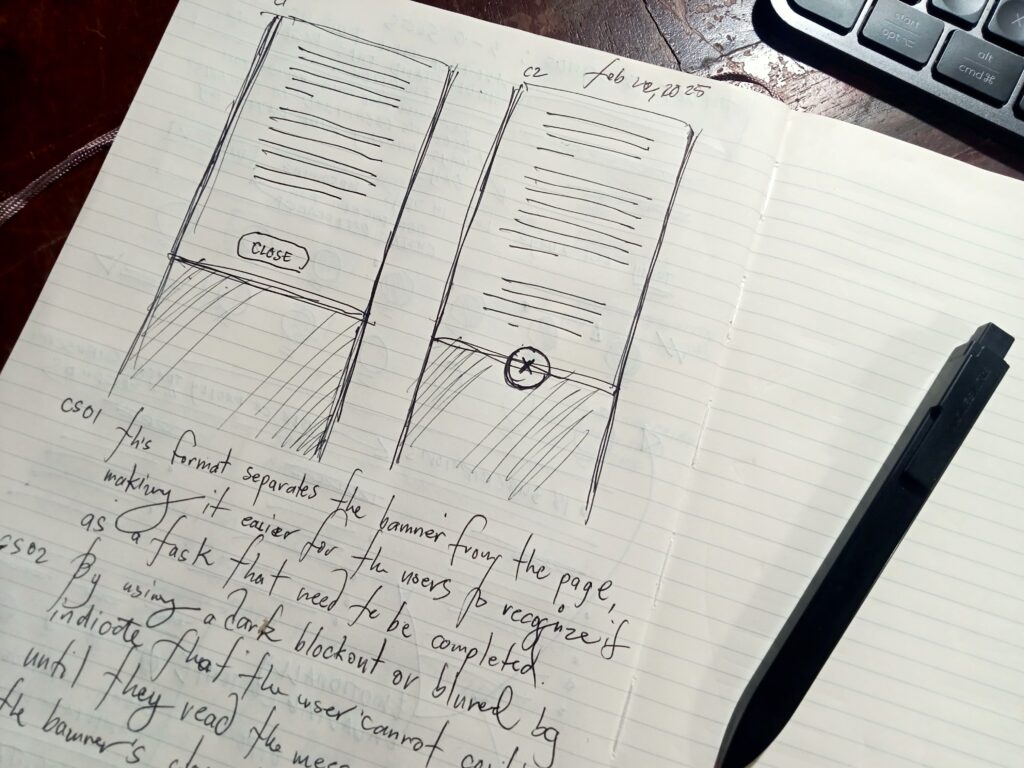
I’ve been assigned to address a recurring issue that users have been reporting. The problem concerns a banner on the mobile version, which some users find frustrating as it appears every time they access our support site. This design has remained unchanged since I joined the company.
The Psychology of Unfinished Tasks, How UX Designers Can Leverage the Zeigarnik Effect

Have you ever started something but couldn’t stop thinking about it until it was finished? That’s the Zeigarnik Effect at work—a psychological principle stating that people remember and feel compelled to complete unfinished tasks more than completed ones. In UX design, leveraging the Zeigarnik Effect can improve user engagement, retention, and conversion rates by creating experiences that encourage users to come back and complete actions.
How Taking Time to Draw Made Me a Better UX Designer

As a UX designer, I used to feel the constant pressure to deliver fast—pushing out design solutions, and iterating on feedback as quickly as possible. The faster I worked, the more productive I thought I was. But over time, I started noticing something: my creativity felt drained, my attention to detail was slipping, and I wasn’t enjoying the process as much as I used to. That’s when I decided to slow down and do something just for myself—drawing every weekend.
A UX Designer Is Like a Hummingbird

Ever watched a hummingbird in action? It’s fast, precise, and insanely adaptable. It doesn’t waste energy, it knows exactly where to go and how to get there efficiently.
And honestly? That’s exactly how a great UX designer works.
A hummingbird doesn’t just fly randomly, it moves with intention, constantly adjusting based on its environment. As UX designers, we do the same. We focus on precision, speed, adaptability, and always keeping the user at the center of everything we create.
Every UX designer must deeply understand human psychology
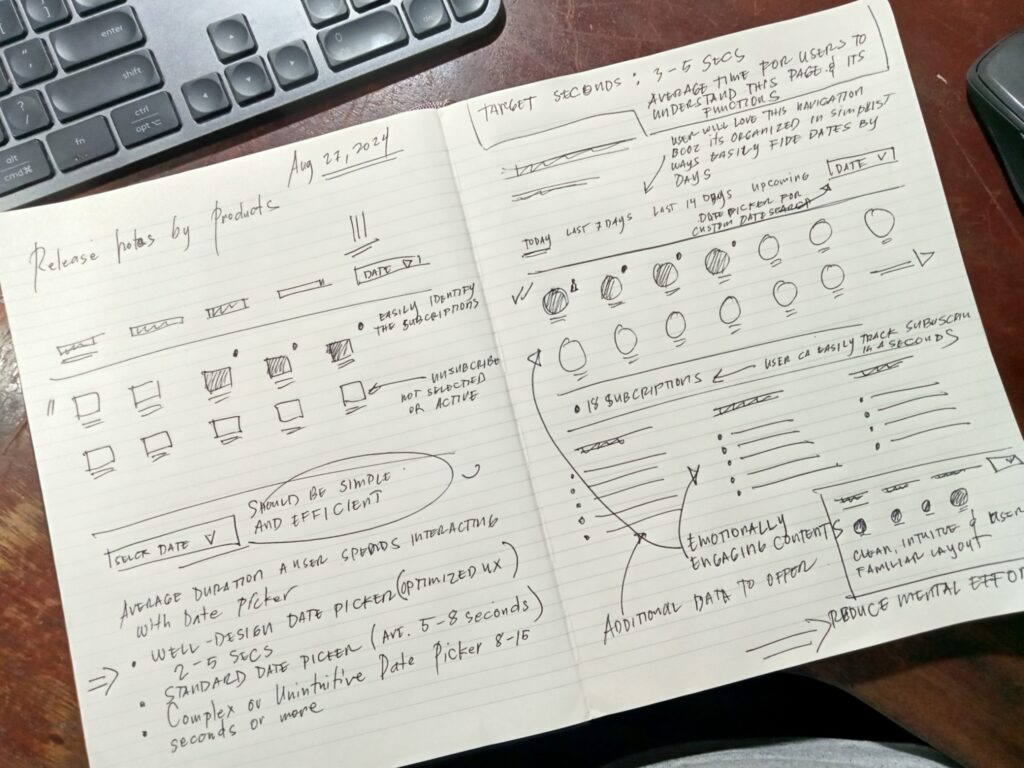
To create products that truly connect with users. If you can reduce cognitive load and make their experience seamless, users will understand the page’s purpose in just a few seconds.